Amazon Killed FBA Prep Services. Here's Who Does Your Prep Now.
PrepLists Blog — June 2026
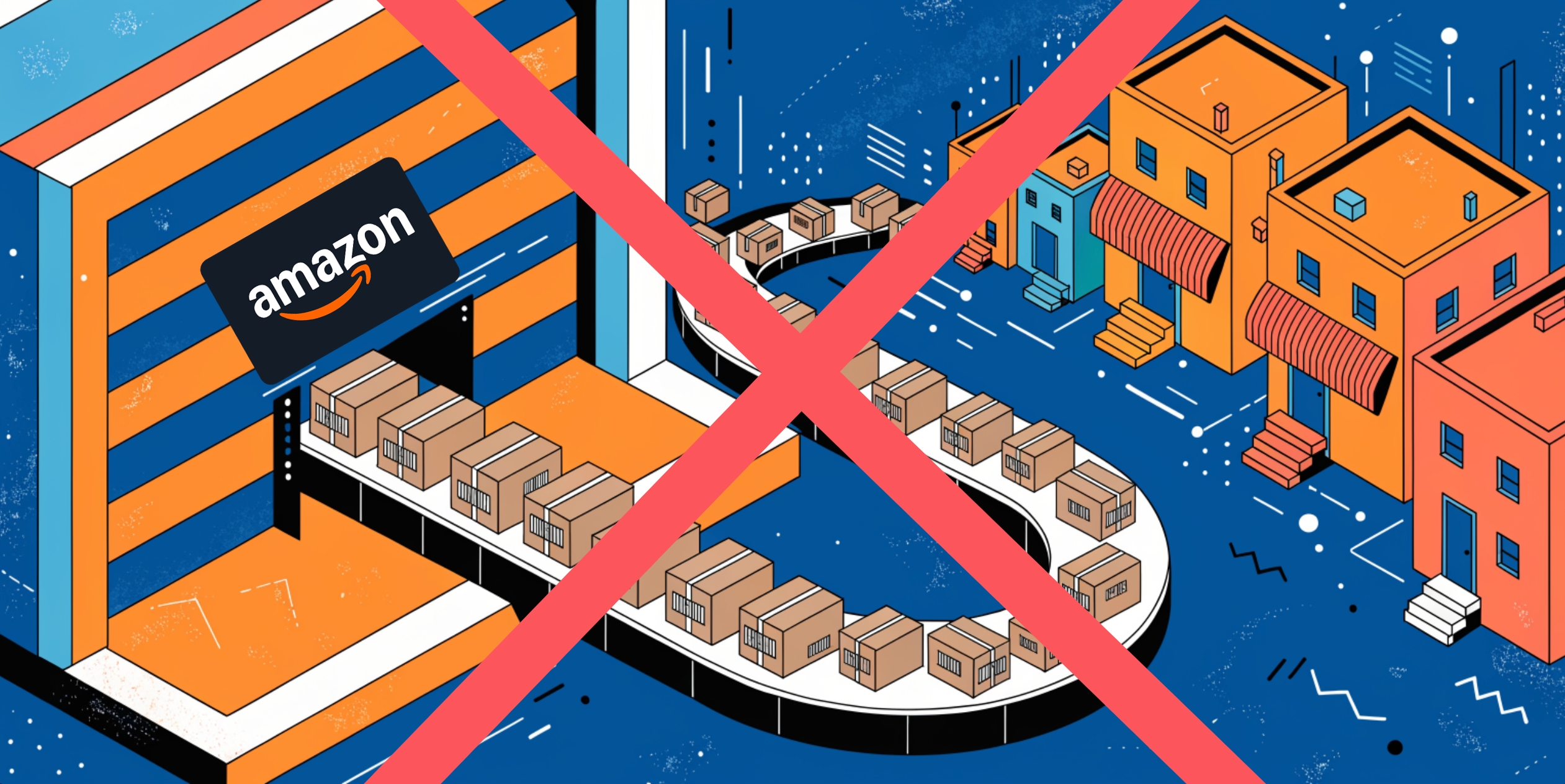
On January 1, 2026, Amazon switched off something thousands of sellers quietly depended on: its in-house FBA prep and labeling service. No more polybagging at the fulfillment center. No more bubble wrap. No more FNSKU stickers applied by Amazon associates for a per-unit fee. If your inventory shows up at an Amazon FC unprepped today, it doesn't get fixed — it gets rejected, delayed, or stranded. And if it gets damaged because it wasn't prepped, Amazon won't reimburse you.
Five months. That's all the runway sellers got between the announcement in late July 2025 and the cutoff. Half a year later, the dust hasn't settled — it's still very much in the air. Here's what actually changed, why Amazon did it, and how to build a prep operation that doesn't depend on anyone's mercy.
What exactly went away
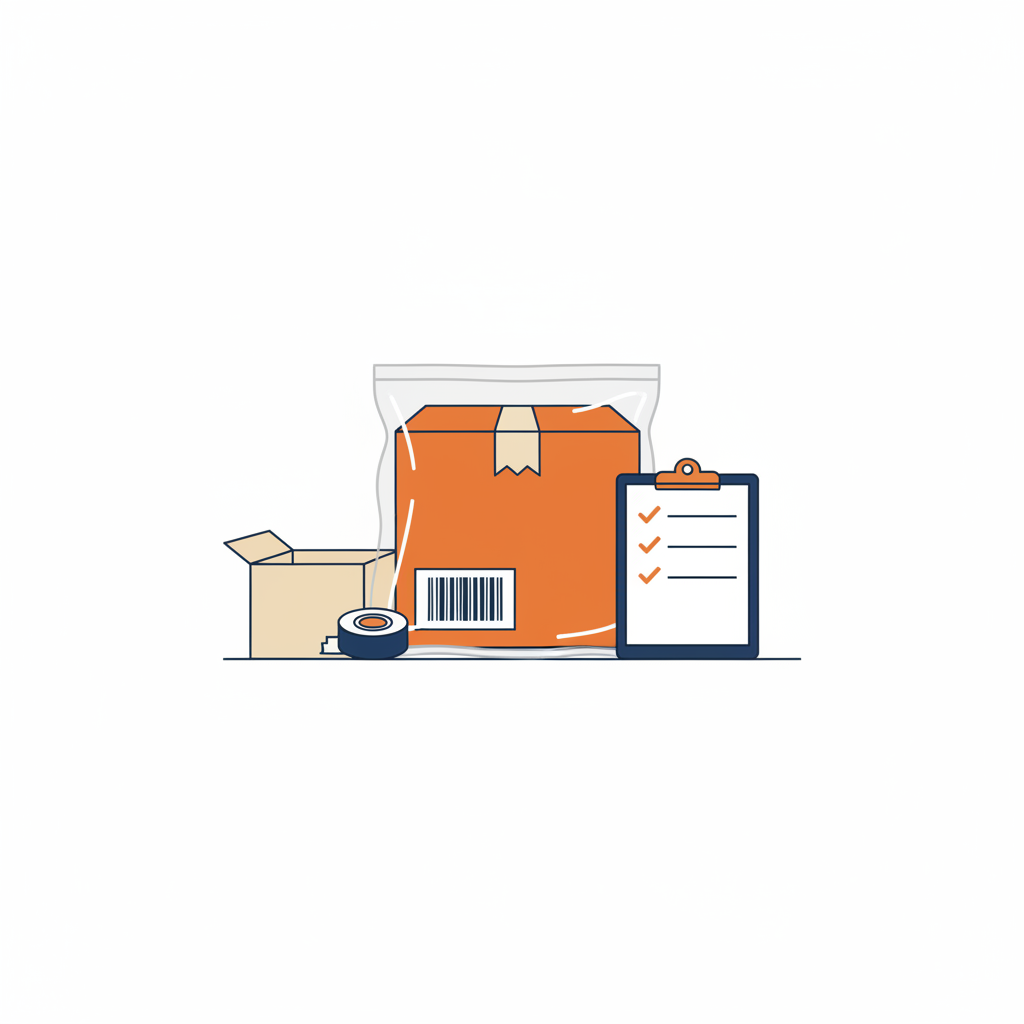
Until the end of 2025, Amazon offered optional paid prep services for FBA inventory: FNSKU labeling, polybagging, bubble wrapping, bundling, boxing, and compliance prep for fragile or liquid items. It was never cheap and never fast, but it was a safety net — especially for new sellers and overseas sellers shipping straight from the factory.
That net is gone, and the scope is total. The shutdown covers every inbound route into U.S. FBA: direct shipments, Amazon Warehousing & Distribution (AWD), Amazon Global Logistics (AGL), Amazon SEND, and the Supply Chain Portal. There is no premium tier, no exception program, no "just this once." Every unit crossing an Amazon dock must arrive fully compliant — labeled, bagged, bundled, protected — or it's your problem, at your expense.
Why Amazon pulled the plug
Amazon's official line: most sellers already handle their own prep, so the service had become a niche offering not worth maintaining. That's true as far as it goes. But read between the lines and the logic is sharper.
Running prep stations inside fulfillment centers means labor, floor space, and process complexity inside buildings optimized for one thing: moving boxes fast. Prep was friction. By pushing it entirely upstream — onto sellers, factories, and third-party prep centers — Amazon turns its FCs into pure throughput machines and turns compliance from a service into a gate. The message changed from "we'll help you get it right" to "if it's not right, we're not taking it."
For Amazon, that's optimization. For sellers, it's a forced decision with three doors.
Your three options in 2026
Option 1: Prep it yourself. Viable if you're domestic, low-SKU, and have garage or warehouse space plus the patience to learn Amazon's packaging requirements in detail — which change, and which differ by category. The hidden cost isn't labor, it's errors: one mislabeled batch can stall a month of sales. DIY makes sense under roughly 500 units a month. Above that, your time is worth more than the prep fee you're saving.
Option 2: Push prep to the factory. If you manufacture in China or Vietnam, your supplier can often apply FNSKU labels and polybag at the source. It's the cheapest per-unit option — and the riskiest. Factories optimize for production, not for Amazon compliance. A wrong barcode applied 8,000 miles away is discovered only when the shipment hits the FC dock. If you go this route, build a verification step before the container leaves port, not after.
Option 3: Use a third-party prep center. This is where most volume is flowing in 2026, and for good reason. Dedicated prep centers live and breathe Amazon compliance — labeling, bundling, inspections, forwarding to FCs, often with photo proof at every step. Typical pricing runs from roughly $0.40 to $1.50 per unit depending on service level, which usually beats the true cost of in-house prep once you factor in errors, labor, and your own time.
The catch: capacity. The prep industry absorbed a wave of new demand in Q1 2026, and good centers in popular states fill up. The sellers who locked in partners early got rates and SLAs; the ones who waited are shopping in a tighter market.
The China factor: a double squeeze
For sellers shipping from China, the prep shutdown landed on top of another structural change — the end of the de minimis exemption, which closed the door on duty-free small parcels into the U.S. The old playbook of shipping direct-to-FBA and letting Amazon patch up the prep is dead on both ends.
The new playbook that's emerging: consolidate freight into the U.S., clear customs properly, route through a domestic prep center for compliance and labeling, then inject into FBA. It adds a node to the supply chain — but that node is also where inspection, forwarding flexibility, and multi-channel fulfillment (Walmart, TikTok Shop) now live. The prep center stopped being a backup plan and became infrastructure.
How to choose a prep partner (the questions that matter)
Don't pick on price per unit alone. Ask:
Turnaround SLA — how many hours from receiving to ship-out, and is it in writing?
Liability — if Amazon rejects a shipment they prepped, who eats the cost?
Proof — do you get photos of received goods and finished prep before anything ships?
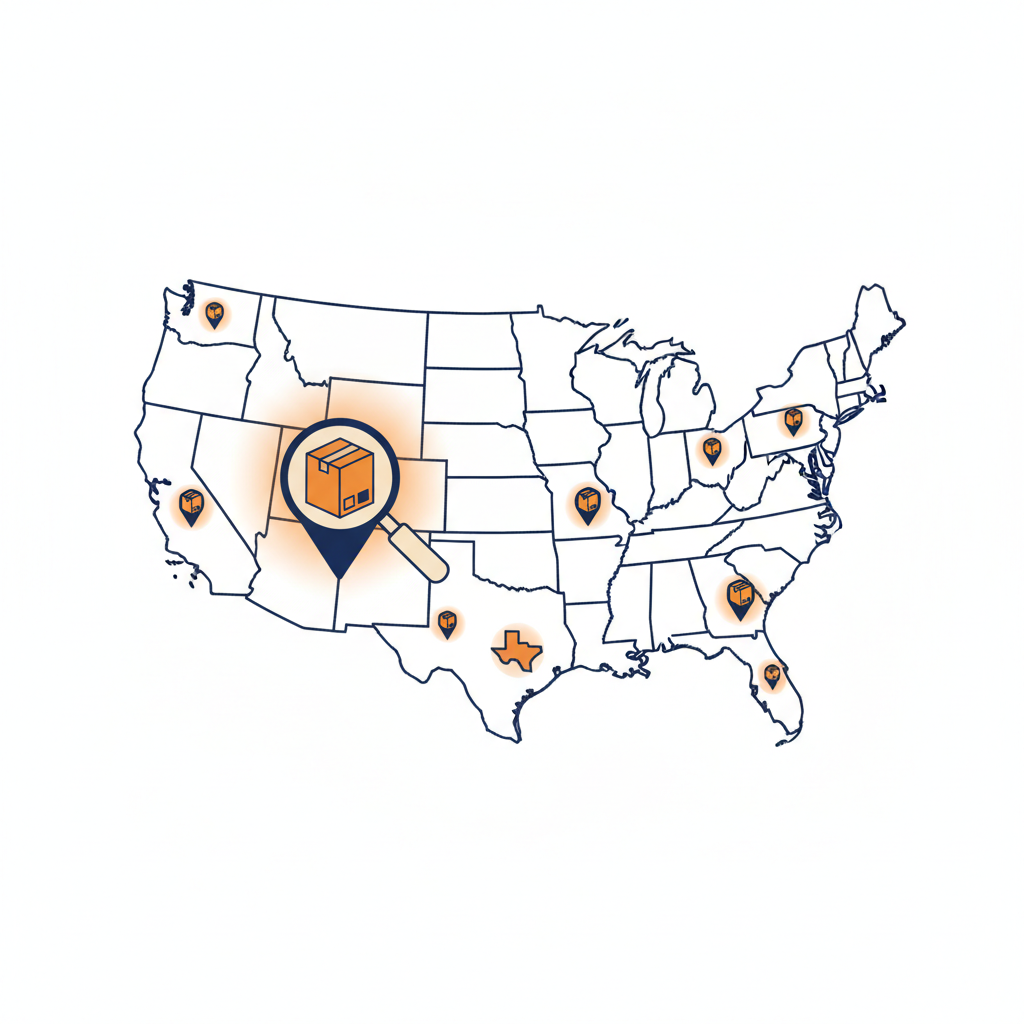
Location — proximity to ports (for importers) or to Amazon's inbound network (to reduce placement fees) can matter more than a dime per unit.
Capacity honesty — can they actually absorb your Q4 volume, or will you be triaged behind bigger clients?
A prep center that answers these in one email is worth more than one that's 10 cents cheaper and vague.
The bottom line
Amazon ending FBA prep wasn't a service tweak — it was Amazon formally exiting a job and handing it to an entire independent industry. In 2026, your prep partner is as much a part of your supply chain as your factory and your freight forwarder. The sellers treating this as a one-time scramble are the ones who'll scramble again every Q4. The ones treating it as a sourcing decision — vetted, compared, contracted — just removed a failure point from their business permanently.
That comparison step is exactly why we built PrepLists: a directory of 500+ prep centers, 3PLs, and warehouses across 39 states, with filters for services, location, and specialization. Browse, compare, send a request — and turn Amazon's problem into your process.
Where should that prep center be? Our state-by-state guide compares sales-tax-free states like Montana and Delaware against port states like California and New Jersey, and links straight into the catalog for each one. Then vet your shortlist with the 20-point due diligence checklist. If you would rather not browse at all, start a request and let matching prep centers quote you.