
Blog
Insights and guides for Amazon FBA sellers, prep center operators, and warehouse professionals.
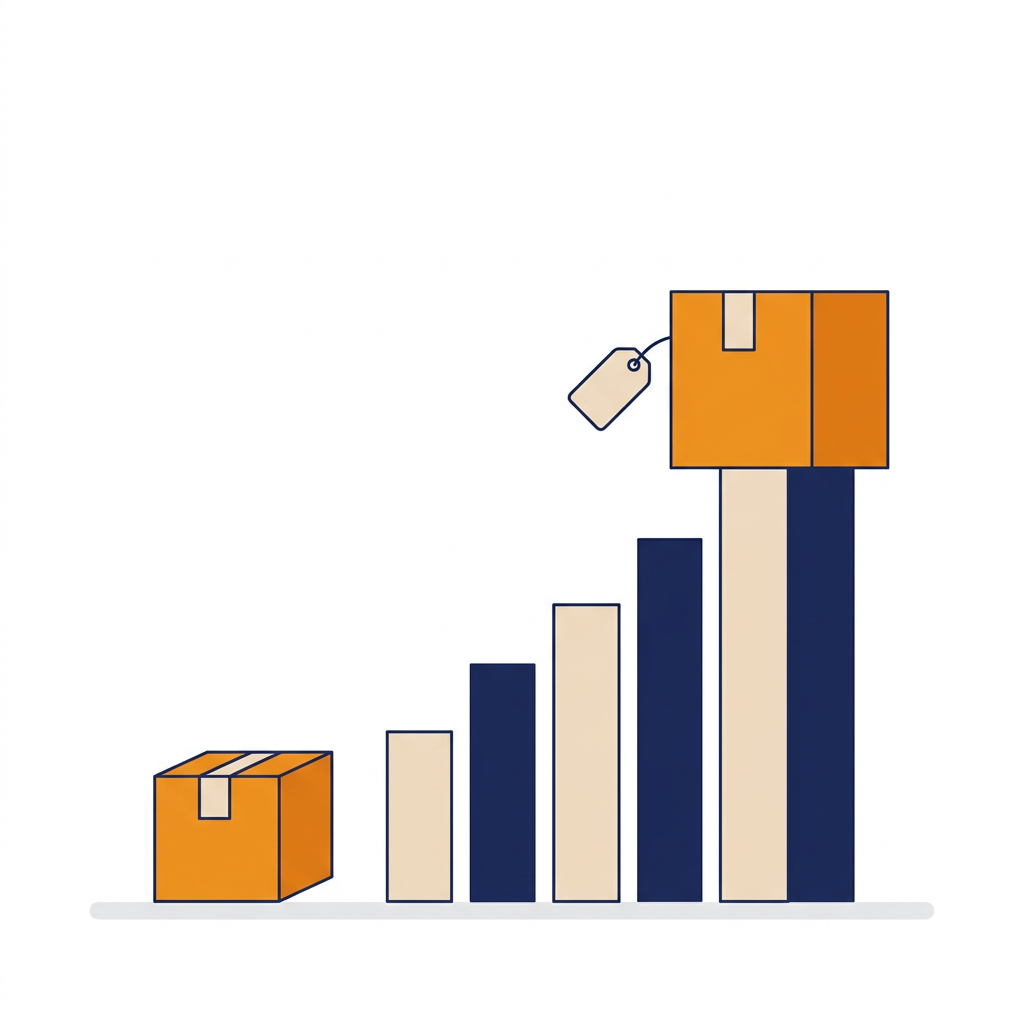
Landed Cost Per Unit: What Your Amazon SKU Really Costs Between the Factory and the FBA Shelf
A $6.20 invoice price becomes $9.80 on the shelf. Here are the eleven cost lines between the factory and FBA, in the order they are calculated, with a full worked example on 1,000 units — plus the fixed-cost trap that makes every first order look unprofitable.

Why Brands Let Other Sellers Share the Same Amazon Listing
Learn why brands allow multiple sellers on the same Amazon listing, how wholesale channels work, why proper sourcing matters, and what makes Amazon Wholesale a repeatable business model.
7 Amazon Wholesale Myths That Lead Beginners to Miscalculate Their Numbers
Amazon Wholesale is sometimes described as if it were almost a vending machine: find a product, jump onto the listing, send a few boxes to a warehouse, and somewhere across the country, the dollars start dripping in. Sounds nice. But any business that sounds that smooth is usually hiding a few sharp edges. Wholesale has them too: competition, paperwork, suppliers, fees, brand restrictions, pricing, turnover, and returns. None of this is terrifying. You just need to see it before you buy inventory, not after the product is already sitting in a warehouse, silently judging you from a pallet. Let’s strip away the motivational foam. Myth by myth.
Amazon Wholesale Guide: How to Start Selling Without Your Own Brand
Sometimes, the most boring product on Amazon turns out to be more interesting than yet another “revolutionary” idea. Picture this: you open a product page. Nothing cosmic. Not a TikTok super-gadget, not some “innovative” thing from AliExpress, not a brand someone invented yesterday over coffee in the kitchen. Just a regular product. But it sells. Every day. It already has reviews, a rating, a proper listing, a clear price, and several sellers nearby fighting for the orders.