
博客
为亚马逊 FBA 卖家、预处理中心运营商和仓库专业人士提供的深度洞察与指南。
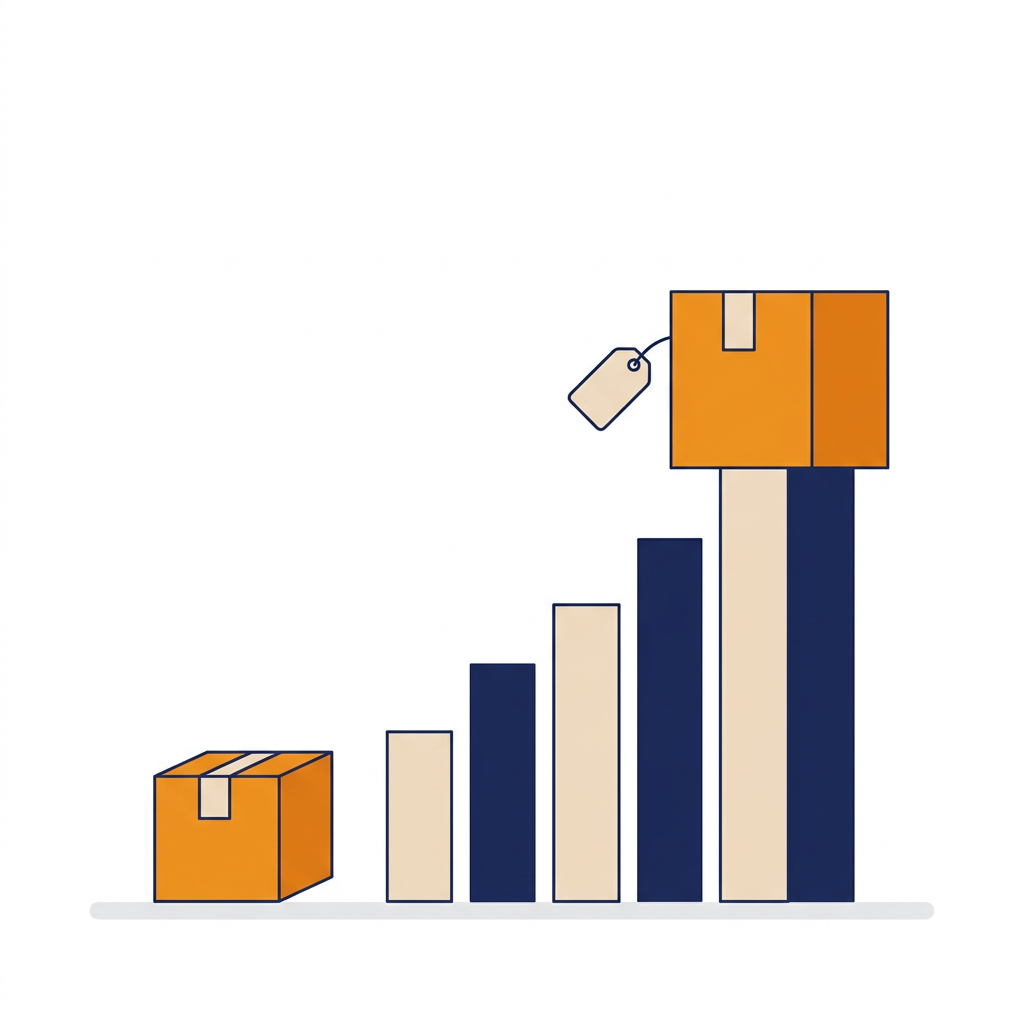
单件落地成本:您的亚马逊 SKU 从工厂到 FBA 货架的真实成本
发票价格 6.20 美元变成货架价格 9.80 美元。以下是工厂到 FBA 的十一个成本项目,按计算顺序排列,并附带 1,000 个单元的完整示例——以及使每个首单看起来无利可图的固定成本陷阱。
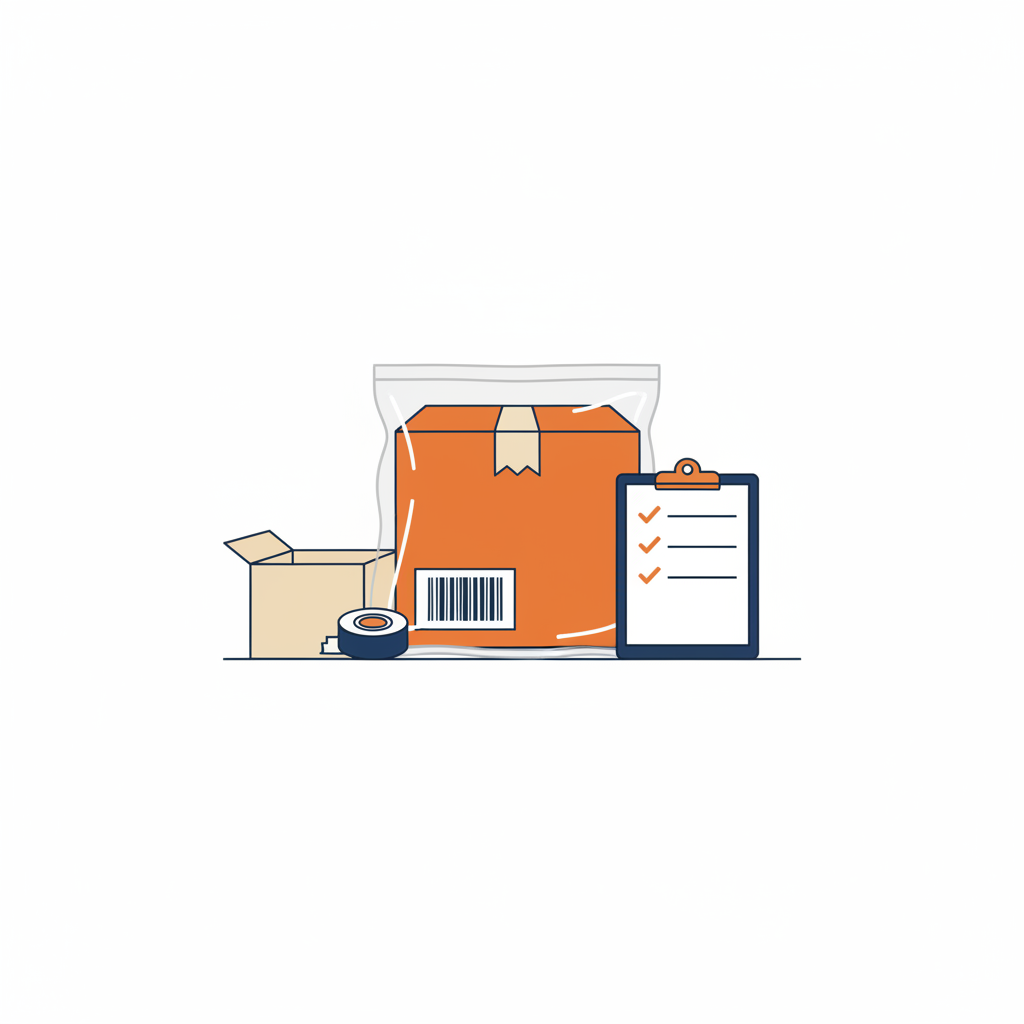
2026年亚马逊FBA备货要求:完整的包装和贴标清单
亚马逊已于 2026 年 1 月 1 日停止备货库存,因此现在每个单位都必须符合规定才能被接收。这是完整的清单:FNSKU 标签、塑料袋和窒息警告、捆绑包、易碎和液体物品、有效期、箱子限制和托盘规则。
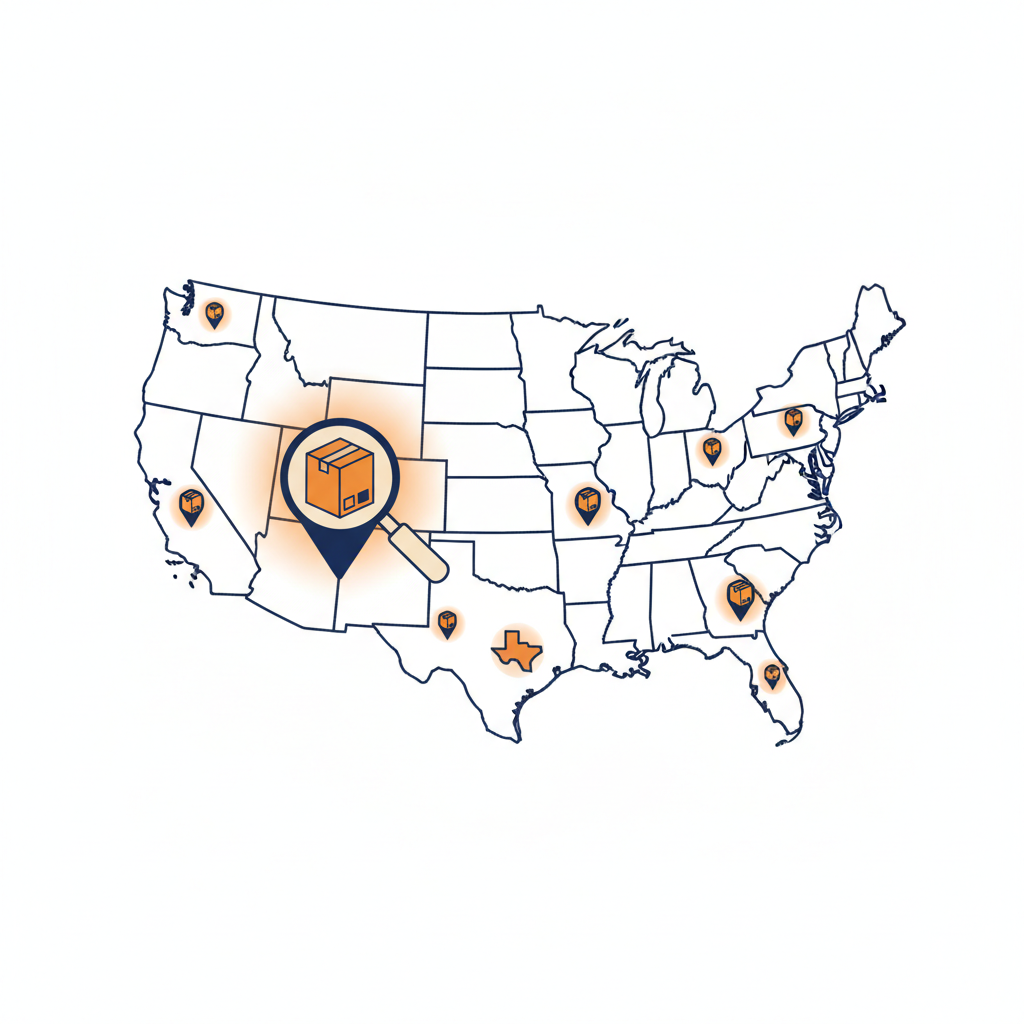
您的备货中心应该设在哪里?免销售税州 vs. 靠近您的供应商(2026 年指南)
蒙大拿州、特拉华州、俄勒冈州和新罕布什尔州的备货中心为零售套利卖家节省了销售税。港口州备货中心为批发进口商节省了运费和数天时间。以下是如何决定您需要哪一个,以及如何在不阅读每张卡片的情况下在包含 500 个列表的目录中找到它。
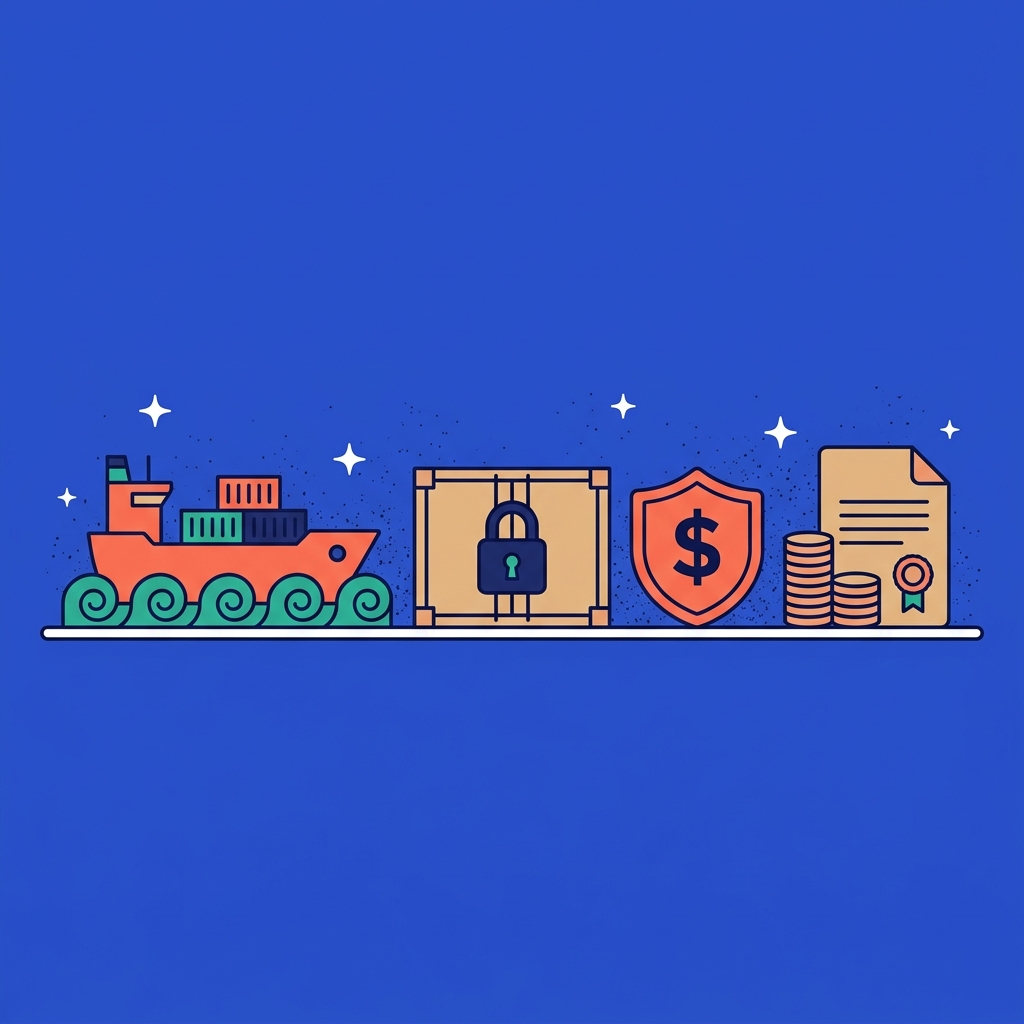
如何保护您的货物和资金安全,畅行国际运输
运费是交易中最小的数字。承运人责任以每件包裹500美元为限,共同海损可能会让你为从未参与的灾难买单,而平均发票欺诈损失为123,000美元。决定谁承担损失的九条规则。

您的货物短缺、潮湿或未送达:货物索赔手册
货损索赔是在交付时发生的,而不是在谈判桌上。在送货收据上写什么,你实际上是在向谁索赔,以及为什么一个海运集装箱的赔偿可能因为纸箱的描述方式而被限制在 500 美元。
您的备货中心丢失了您的库存。现在该怎么办?
即使是合格的仓库也会发生库存丢失。能否追回损失主要取决于邮件到达之前你做了什么——你从未阅读过的责任上限、无人核对的收货数量以及 14 天后就会被覆盖的监控录像。
解析Prep Center定价:所谓的“45美分/件”到底意味着什么?
单件预处理费是最容易比较的数字,也是发票上金额最小的条目之一。本文将带您拆解整张发票——包括入库、预处理、仓储、出库以及异常费用,并教您如何将四份互不兼容的报价转化为一个可比的综合成本。
发货前如何考察备货中心:一份20项尽职调查清单
亚马逊不再为您处理库存预处理,因此您选择的预处理中心现在成为了单一故障点。在纸箱离开供应商之前,请务必询问这二十个问题:标签处理能力、入库服务等级协议(SLA)、“每件”费用的实际涵盖范围、责任上限,以及无人阅读的退出条款。

2026年活体动物运输:货运、法规与成本全指南
这并非宠物物流的业余副业,而是一个受监管、有时限、高责任的货运类别,其航线、航空箱以及操作顺序直接决定了动物能否顺利登机或被迫滞留。以下是全景概览:运输模式、2026年规则手册、航空箱规格、文件清单、真实成本驱动因素,以及两个让托运人损失惨重的隐形错误。
2026年欧盟排放交易体系附加费:如何在货运发票上核实
欧盟排放交易体系(EU ETS)于2026年1月1日实现100%覆盖,承运人附加费一夜之间上涨了43-45%。上海→鹿特丹集装箱的公平碳成本约为75-90欧元——承运人报价为118-144欧元。以下是核对发票的计算方法、需要询问货运代理的问题以及为什么中国→美国货运支付零费用。

Incoterms 详解:卖家 A-Z 完全指南
合同中的三个字母决定了谁支付运费、谁承担货物损坏的损失以及谁办理海关清关。本文将从 A 到 Z 解释所有 Incoterm 2020 条款——外加两个(集装箱上的 FOB、DDP 陷阱)悄悄让卖家损失数千美元的错误。
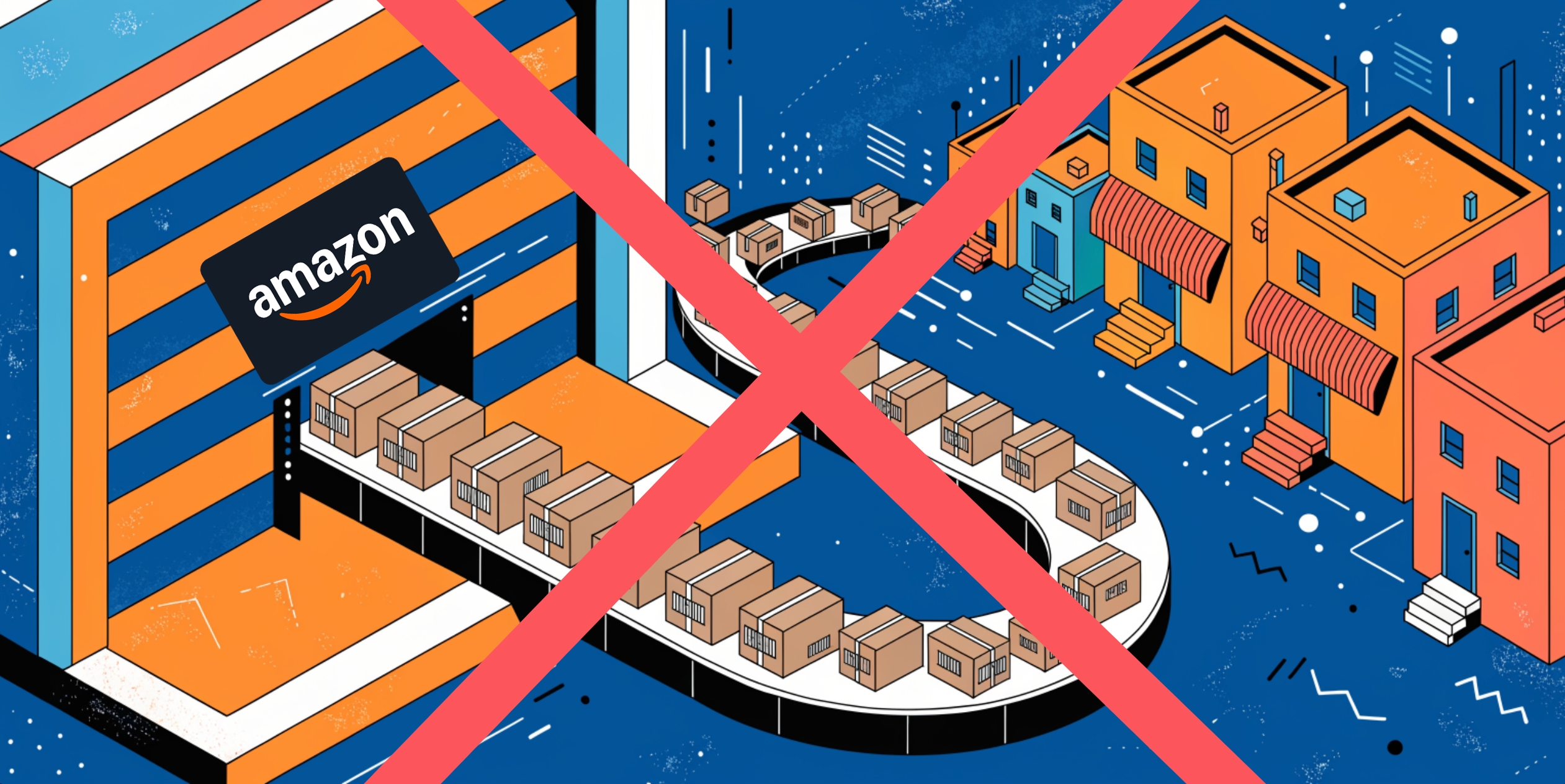
亚马逊终止FBA预处理服务:你的2026生存指南
2026年1月1日,亚马逊永久关闭了其FBA预处理和贴标服务。没有例外,没有安全网——未预处理的库存现在将在收货码头被拒收。以下是变化内容、原因以及如何建立能应对此变化的预处理操作。

为什么品牌允许其他卖家共享同一个亚马逊商品列表
了解品牌为何允许多个卖家在同一个亚马逊商品详情页上销售、批发渠道如何运作、为何正确采购很重要,以及是什么让亚马逊批发成为一个可重复的商业模式。
7个导致新手卖家错误计算数字的亚马逊批发误区
亚马逊批发有时被描述得好像它几乎就是一台自动售货机:找到产品,加入列表,将几个箱子发送到仓库,然后在美国某个地方,美元就开始源源不断地流入。 听起来不错。 但任何听起来如此顺利的业务通常都隐藏着一些尖锐的棱角。批发也有这些:竞争、文书工作、供应商、费用、品牌限制、定价、周转和退货。这些都不可怕。你只需要在购买库存之前看到它,而不是在产品已经堆放在仓库里,默默地从托盘上评判你之后。 让我们剥去那些激励人心的泡沫。一个一个地揭穿神话。

亚马逊批发指南:如何在没有自有品牌的情况下开始销售
有时候,亚马逊上最无聊的产品反而比那些“革命性”的想法更有趣。 想象一下:你打开一个产品页面。没什么特别的。不是TikTok上的超级小工具,不是速卖通上的“创新”产品,也不是某个品牌昨天在厨房喝咖啡时凭空想出来的。只是一个普通的产品。但它卖得很好。每天都在卖。它已经有了评论、评分、完善的商品信息、清晰的价格,并且附近有几个卖家在争夺订单。